
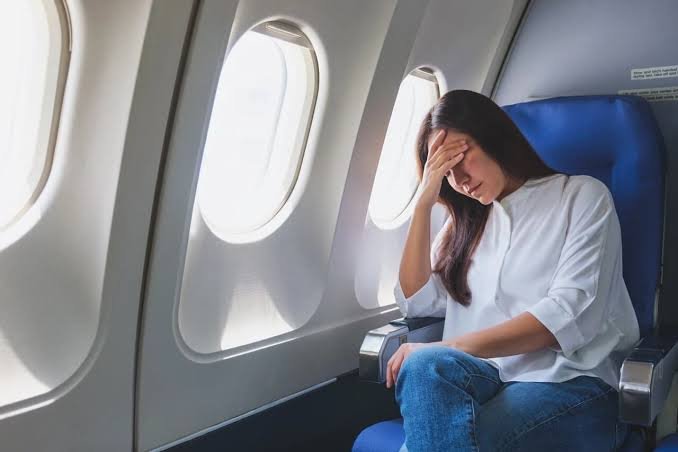
What Is Jet Lag?
Jet lag is a temporary condition that occurs when your body’s internal clock becomes out of sync with the local time at your destination.
Your body has a natural timing system known as the circadian rhythm. It helps regulate sleep, wakefulness, hormone activity, body temperature and other daily processes. Light exposure is one of the main signals that helps this internal clock stay aligned with the day and night cycle.
When you travel across several time zones, the local time may change much faster than your body can adjust. You might arrive somewhere where it is daytime even though your body feels ready to sleep, or find yourself awake in the middle of the night because your internal clock still follows the time at home.
Jet lag is more common after long distance flights that cross multiple time zones. Travelling east can be particularly challenging for many people because it often requires going to sleep earlier than the body naturally expects.
Not everyone experiences jet lag in the same way. The severity of symptoms depends on factors such as the number of time zones crossed, travel direction, sleep quality and individual differences in how quickly the body adjusts.
Common Jet Lag Symptoms to Recognise
Jet lag can affect sleep, energy levels, concentration and general wellbeing. Symptoms often begin after arrival and may last several days while your body adjusts.
Sleep Problems and Difficulty Falling Asleep
Sleep disruption is one of the most common jet lag symptoms. You may feel wide awake when it is time to go to bed or wake up much earlier than intended.
Some travellers find it difficult to maintain a normal sleep schedule because their body clock is still following the time at home. Others sleep for longer than usual but still wake up feeling tired.
These changes can make it harder to enjoy your holiday, concentrate at work or maintain your usual daily routine.
Daytime Tiredness and Low Energy
You may feel unusually sleepy during the day, even after spending several hours in bed. Simple activities can seem more tiring, and you might find yourself struggling to stay alert during meetings, sightseeing or other planned activities.
Daytime fatigue can be particularly inconvenient when you need to drive, attend important appointments or take part in physically demanding activities.
Allow yourself time to adjust after a long journey and avoid driving if you feel excessively sleepy.
Difficulty Concentrating
Jet lag can temporarily affect attention, memory and mental alertness. You might find it harder to focus on conversations, remember small details or complete tasks that normally feel straightforward.
This can be frustrating during business travel or when you are trying to organise activities in an unfamiliar place.
Giving yourself time to rest and gradually adjusting to the local schedule may help your concentration improve as your body clock adapts.
Mood Changes and Irritability
Disrupted sleep can affect your mood. Some people feel more irritable, restless or emotionally sensitive while experiencing jet lag.
You may have less patience than usual or find it harder to manage the demands of travelling.
Maintaining a regular routine, allowing enough time for rest and avoiding excessive alcohol can support your overall wellbeing during the adjustment period.
Digestive Discomfort
Your digestive system also follows daily rhythms, so crossing time zones may affect when you feel hungry and how comfortable you feel after eating.
Some travellers notice changes in appetite, mild nausea, constipation or general digestive discomfort.
Eating meals at appropriate local times, staying hydrated and choosing balanced foods may help you settle into your new routine.
How Long Do Jet Lag Symptoms Last?
The duration of jet lag varies from person to person. Some travellers adjust within a few days, while others need longer, particularly after crossing many time zones.
The number of time zones crossed, the direction of travel, your sleep habits and your exposure to daylight can all influence recovery.
Rather than expecting your body to adjust immediately, give yourself time to settle into the local schedule. If possible, avoid arranging demanding activities or important meetings immediately after a long journey.
Symptoms should gradually improve as your internal clock becomes better aligned with the local time. If your sleep problems continue for an extended period, become increasingly severe or do not fit the usual pattern of jet lag, seek advice from a healthcare professional.
Other conditions can cause fatigue, dizziness, headaches and sleep disturbances, so persistent symptoms should not automatically be attributed to travel.
How to Manage Jet Lag Symptoms Naturally
There is no instant solution that works for everyone, but several practical steps may help your body adjust to a new time zone.
Adjust Your Sleep Schedule Before Travelling
If you know that you will cross several time zones, consider gradually adjusting your bedtime before departure.
For an eastbound journey, going to bed and waking up a little earlier may help you move towards the destination schedule. For a westbound journey, gradually moving your sleep schedule later may be useful.
You do not need to make dramatic changes overnight. Small adjustments over several days can be easier to manage than a sudden change.
During your journey, consider the local time at your destination when planning rest. Once you arrive, try to follow local sleeping and waking times rather than maintaining your home schedule.
Get Daylight at the Right Time
Light is one of the most important signals for resetting your body clock. Spending time outdoors during the local daytime can help your body recognise the new schedule.
However, timing matters. The most helpful time for daylight exposure depends on the direction of travel and how many time zones you have crossed. If you are travelling across many time zones, destination specific advice can help you plan your adjustment.
Avoid spending the entire day indoors if you feel tired, but balance outdoor activities with rest while your body recovers.
Stay Hydrated During Your Journey
Long flights can make it easy to forget to drink enough water. Keeping hydrated supports general wellbeing and may help you feel more comfortable during travel.
Drink water regularly, particularly during long journeys, and avoid relying on large amounts of caffeine to overcome tiredness.
Alcohol can interfere with sleep quality and may worsen dehydration. Limiting alcohol before and during your journey can help you maintain a more consistent sleep routine.
Eat Meals According to Local Time
Try to move towards the meal schedule at your destination after arrival. Eating regular, balanced meals may help establish a routine and make it easier to adjust to local daily activities.
If you arrive during the day, avoid allowing tiredness to lead to a long afternoon sleep that makes it difficult to fall asleep at night.
A short nap may help if you are struggling with sleepiness, but keep it brief and avoid napping too close to bedtime.
Is There a Treatment for Jet Lag?
Most cases of jet lag improve as your body clock gradually adjusts. However, some people find the symptoms disruptive enough to seek professional advice.
Treatment depends on your circumstances, medical history, travel plans and the severity of your symptoms. A healthcare professional or pharmacist can discuss practical measures and explain whether any treatment options may be suitable.
Melatonin is a hormone involved in regulating the sleep and wake cycle. In some circumstances, it may be used as a short term treatment for jet lag in adults. Its suitability and timing are important, and it can interact with other medicines. Ask a healthcare professional for advice rather than starting it without guidance.
Sleeping tablets and other medicines are not suitable for everyone and can cause side effects, including next day drowsiness. They should not be used casually to force a change in your sleep schedule.
If you take regular medicines, have an ongoing medical condition or are pregnant, seek individual advice before using a treatment for jet lag.
Professional guidance can help you understand which measures are appropriate and how to manage symptoms without creating additional problems.
When Should You Seek Medical Advice?
Jet lag is generally temporary, but not every symptom experienced after travelling is caused by a disrupted body clock.
Seek medical advice if your symptoms are severe, persist longer than expected or significantly interfere with your daily activities. Ongoing sleep difficulties may have other causes that need assessment.
Get urgent medical help for concerning symptoms such as chest pain, difficulty breathing, fainting or sudden neurological changes. After a long flight, painful swelling in one leg, particularly when accompanied by breathlessness or chest pain, also requires urgent assessment.
If you feel excessively sleepy, avoid driving or operating machinery until you are alert enough to do so safely.
Understanding when symptoms are likely to be ordinary jet lag and when they need further assessment can help you travel with greater confidence.
Jet Lag Treatment in Bethnal Green at Parnell Pharmacy
If you are preparing for a long haul journey or struggling to adjust after arriving home, Parnell Pharmacy can help you access professional advice about managing jet lag.
Our jet lag treatment service is based at our community pharmacy on Roman Road in Bow, East London. We welcome patients from nearby areas, including Bethnal Green, Mile End, Whitechapel, Poplar and surrounding neighbourhoods.
During a consultation, our pharmacy team can discuss your travel plans, sleep difficulties, relevant medical history and any medicines you currently take. We can provide practical advice about sleep routines, daylight exposure, hydration and other measures that may help you adjust to a different time zone.
Where appropriate, we can also discuss treatment options and whether further medical advice may be necessary.
Parnell Pharmacy
625 to 627 Roman Road
Bow, London E3 2RN
Telephone: 020 8980 3376
Appointments are recommended. Contact our team to ask about availability and arrange a consultation before your trip or after returning home.
If you are searching for jet lag treatment in Bethnal Green, our nearby pharmacy offers a convenient place to discuss your concerns and receive personalised guidance.
Prepare for Your Next Journey With Confidence
Jet lag symptoms can make travelling across time zones more difficult, but they usually improve as your body adjusts to the local schedule.
Preparing your sleep routine before departure, getting daylight at appropriate times, staying hydrated and maintaining regular meals can all support your recovery.
If you are concerned about sleep disruption or need help understanding treatment options, professional advice can help you make informed decisions before or after travelling.
At Parnell Pharmacy, we support travellers from Bow and the surrounding East London community with practical travel health advice. Contact our team to discuss your needs and learn more about our jet lag treatment service.
Frequently Asked Questions
1. What are the most common jet lag symptoms?
Common symptoms include difficulty sleeping, daytime tiredness, reduced concentration, irritability and digestive discomfort. The symptoms can vary depending on the number of time zones crossed and how quickly your body adjusts.
2. How long does jet lag usually last?
Jet lag may improve within a few days, although recovery can take longer after crossing several time zones. Following the local sleep schedule and getting daylight at appropriate times may help your body adjust.
3. What is the fastest way to recover from jet lag?
There is no guaranteed instant remedy. Gradually adjusting your sleep routine, following local meal times, staying hydrated and using daylight appropriately may help. Avoid excessive alcohol and long daytime naps that interfere with nighttime sleep.
4. Can a pharmacist help with jet lag treatment?
A pharmacist can discuss sleep routines, practical travel advice and potentially suitable treatment options. The right approach depends on your health, medical history and medicines, so individual advice is important before using medication.
5. Where can I get jet lag treatment in Bethnal Green?
Parnell Pharmacy provides jet lag treatment consultations at 625 to 627 Roman Road, Bow, London E3 2RN. Call 020 8980 3376 to enquire about appointments and professional advice for managing jet lag.