
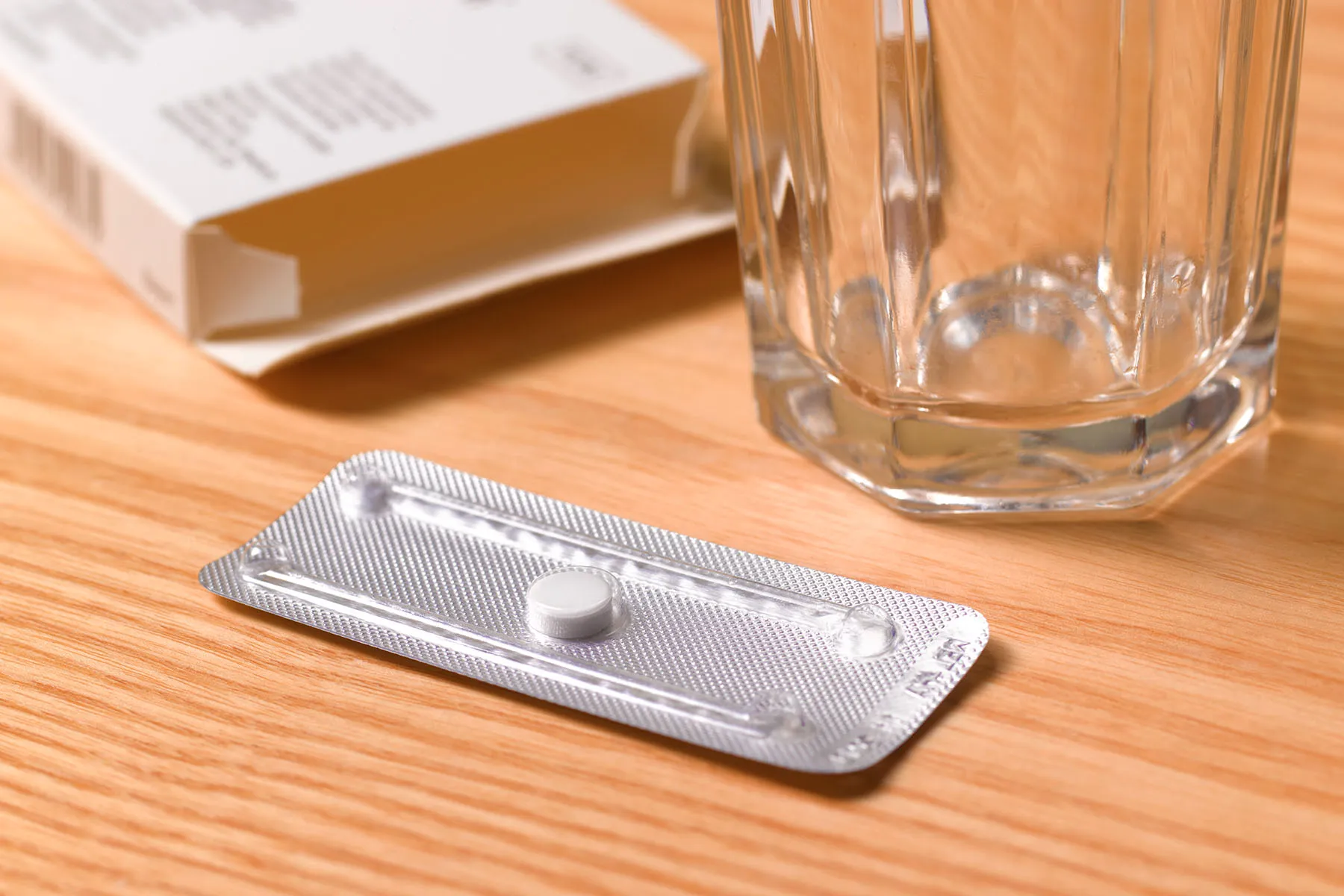
How Effective Is the Morning After Pill?
The morning after pill can significantly reduce the risk of pregnancy following unprotected sex or contraceptive failure. However, it is not 100% effective, and its success depends on individual circumstances.
According to the NHS, research suggests that approximately 1 to 2 women in every 100 who take an emergency contraceptive pill become pregnant.
This is an observed pregnancy rate among users, not a guarantee that every individual has a 98% or 99% chance of avoiding pregnancy.
Several factors can influence how well emergency contraception works:
- How soon you take the medication after unprotected sex.
- Which type of emergency contraceptive pill you use.
- Whether ovulation has already occurred.
- Certain medications that may interact with emergency contraception.
- Individual health and medical circumstances.
The most important advice is to seek emergency contraception as soon as possible rather than waiting to see whether your next period arrives.
What Types of Morning After Pills Are Available?
There are two main types of emergency contraceptive pills available in the UK. Both work primarily by delaying or preventing ovulation, but they have different time limits and characteristics.
1. Levonorgestrel (Levonelle)
Levonorgestrel, commonly sold under the brand name Levonelle, is a type of emergency contraceptive pill used after unprotected sex.
It works by delaying or preventing the release of an egg from the ovary, reducing the possibility of fertilisation.
Important facts about Levonorgestrel include:
- It should be taken within 72 hours (three days) after unprotected sex.
- It generally works better when taken as soon as possible.
- It may be less effective if ovulation has already occurred.
- It does not provide ongoing contraception for the rest of your menstrual cycle.
If you are considering this option, speak with a pharmacist or healthcare professional to check whether it is suitable for you.
2. Ulipristal Acetate (ellaOne)
Ulipristal acetate, commonly known as ellaOne, is another emergency contraceptive option.
It can be taken up to 120 hours (five days) after unprotected sex. It works by delaying ovulation and can remain effective closer to ovulation than levonorgestrel.
Important facts about ellaOne include:
- It can be taken within five days of unprotected intercourse.
- It is generally more effective than levonorgestrel.
- It may work when levonorgestrel is no longer suitable because more time has passed.
- It will not reliably prevent pregnancy if ovulation has already happened.
A pharmacist can help determine which option is appropriate based on your circumstances and medical history.
Does the Morning After Pill Work Better the Sooner You Take It?
Yes. Timing is one of the most important factors affecting the effectiveness of emergency contraception.
Although some emergency contraceptive pills can be used for up to five days after unprotected sex, waiting longer may reduce your chances of preventing pregnancy.
Here is a general guide:
Within 24 hours: Taking emergency contraception as soon as possible is recommended. Both types of emergency contraceptive pills may be suitable, depending on your circumstances.
Within 24 to 48 hours: Levonorgestrel and ulipristal acetate may still be options. Your pharmacist can help you choose the appropriate treatment.
Within 48 to 72 hours: Both options may still be considered. Ulipristal acetate is generally more effective than levonorgestrel during this later period.
Within 72 to 120 hours: Ulipristal acetate may be used within this five-day window. A copper IUD is another option and is the most effective form of emergency contraception.
Remember, the sooner you seek advice and receive appropriate treatment, the better.
Can the Morning After Pill Fail?
Yes. Although the morning after pill is an effective emergency contraception option, it does not prevent every pregnancy.
There are several reasons why emergency contraception might not work as expected.
Taking It After Ovulation
The main way oral emergency contraception works is by delaying ovulation. If an egg has already been released, these pills may not prevent pregnancy from that episode of intercourse.
This is why understanding your menstrual cycle and seeking advice quickly are important.
Taking the Wrong Type of Emergency Contraception
Different emergency contraceptive pills have different time limits and effectiveness.
For example, levonorgestrel is licensed for use within 72 hours, while ulipristal acetate can be used within 120 hours.
Choosing an appropriate option with professional advice can help reduce the risk of treatment failure.
Certain Medications
Some medicines can reduce the effectiveness of emergency contraception by affecting how the body processes the medication.
These may include certain treatments for epilepsy, tuberculosis and HIV, as well as the herbal remedy St John’s wort.
Always tell your pharmacist about any medication or supplements you currently take or have recently taken.
Vomiting After Taking the Pill
If you vomit shortly after taking an emergency contraceptive pill, the medicine may not have been fully absorbed.
Contact your pharmacist or healthcare professional immediately. You may need another dose or an alternative emergency contraception method.
What Are the Side Effects of the Morning After Pill?
Most people tolerate the morning after pill well, although some temporary side effects can occur.
Common side effects include:
- Headaches.
- Nausea or vomiting.
- Abdominal discomfort.
- Breast tenderness.
- Tiredness.
- Menstrual cramps.
- Changes to your next period.
Your next period may arrive earlier or later than expected. It may also be lighter or heavier than usual.
These changes do not necessarily mean the emergency contraception has failed.
If your period is more than seven days late, is unusually light or you experience pregnancy symptoms, take a pregnancy test and seek medical advice.
It is also advisable to take a pregnancy test three weeks after the most recent unprotected sex, even if you have experienced some bleeding.
Does the Morning After Pill Protect You From Future Unprotected Sex?
No. One important thing to understand is that emergency contraception does not provide ongoing protection against pregnancy.
If you have unprotected sex again after taking the emergency contraceptive pill, you may still become pregnant.
You should discuss suitable ongoing contraception with a healthcare professional.
Depending on the emergency contraceptive used, you may also need to wait before restarting hormonal contraception. After taking ulipristal acetate, you should generally wait five days before restarting or starting a progestogen-containing contraceptive method.
Use condoms or avoid sex during this period and until your regular contraceptive method becomes effective.
The morning after pill also does not protect against sexually transmitted infections (STIs). Consider STI testing if you have had unprotected sex with a new partner or are concerned about exposure.
Is There a More Effective Alternative to the Morning After Pill?
Yes. The copper intrauterine device (IUD), commonly called the copper coil, is the most effective form of emergency contraception.
It can usually be fitted within five days (120 hours) after unprotected sex, although clinical assessment may allow fitting at other times depending on ovulation.
Unlike emergency contraceptive pills, the copper IUD can prevent pregnancy even after ovulation.
It can also remain in place as a long-term contraceptive method if you choose.
If you want the most effective emergency contraception available, discuss the copper IUD with a healthcare professional as soon as possible.
Morning After Pill in Bow: Get Professional Advice at Parnell Pharmacy
If you are concerned about an unplanned pregnancy and need emergency contraception, getting professional advice quickly is important.
At Parnell Pharmacy in Bow, we understand that accessing reliable information about reproductive health can sometimes feel uncomfortable. Our pharmacy team can help you understand your options and provide guidance about emergency contraception.
If you are searching for the Morning After Pill in Bow, contact Parnell Pharmacy to enquire about availability, eligibility and the next steps.
Our team can help you understand the differences between Levonorgestrel and Ulipristal Acetate, discuss relevant medical considerations and advise you on where to access appropriate treatment.
You can also ask about ongoing contraception, sexual health advice and other pharmacy services.
Do not delay seeking help because you are unsure which option is right for you. The sooner you receive appropriate advice, the more options may be available.
Contact Parnell Pharmacy:
Parnell Pharmacy
Roman Road, Bow, London
Speak with our pharmacy team about your emergency contraception requirements and get professional advice when you need it.